New hosts almost always ask the same question first: how much should I set the security deposit at? On Airbnb, that question doesn't apply the way it used to. Since 2022, Airbnb phased out host-set deposits entirely in favor of AirCover for Hosts — and most Dubai owners are still operating on the old assumption, which means they're either missing the protection that actually exists, or missing the narrow window to claim it.
Airbnb No Longer Works the Way Most Owners Think
Before 2022, hosts could set an upfront deposit — typically a temporary hold on the guest's card, released automatically if no claim was filed. That system is gone. AirCover for Hosts replaced it with up to $3 million USD in guest-caused damage protection, built into every booking at no extra cost to host or guest. There's no deposit to set on the listing itself anymore for the vast majority of hosts.
The trade-off: instead of already-held funds, you're filing a claim after the fact through Airbnb's Resolution Center. That claim has to be submitted within 14 days of guest checkout, or before the next guest checks in, whichever comes first. Miss that window and the claim is generally ineligible, regardless of how clear-cut the damage is.
What Actually Makes an AirCover Claim Succeed
Airbnb first attempts to collect from the guest directly; if that fails, AirCover covers the eligible amount. Claims that succeed consistently have the same three things: dated photos from check-in showing the unit's condition before the guest arrived, dated photos from checkout showing the damage, and an itemized cost estimate for repair or replacement. Claims without a documented before/after timeline are far more likely to be denied, even when the damage is real — there's simply no provable record of when it happened.
This is exactly why a systematic post-stay photo walkthrough matters operationally, not just for damage claims but for the same reasons covered in our turnover cleaning economics breakdown — the turnover process is also your evidence trail if something goes wrong.
When Off-Platform Deposits Still Make Sense
If you're using property management software connected via Airbnb's API, you can set and collect a security deposit outside Airbnb's own system — but it must be clearly disclosed in the listing, and can't simply be an undisclosed side charge. This route generally only makes sense once a portfolio reaches a scale where AirCover alone isn't covering the type of incidents you're actually seeing — commonly cited as somewhere past 10 properties, where a damage waiver product is often evaluated before jumping straight to full off-platform deposits.
Guest Screening Reduces the Problem Before It Starts
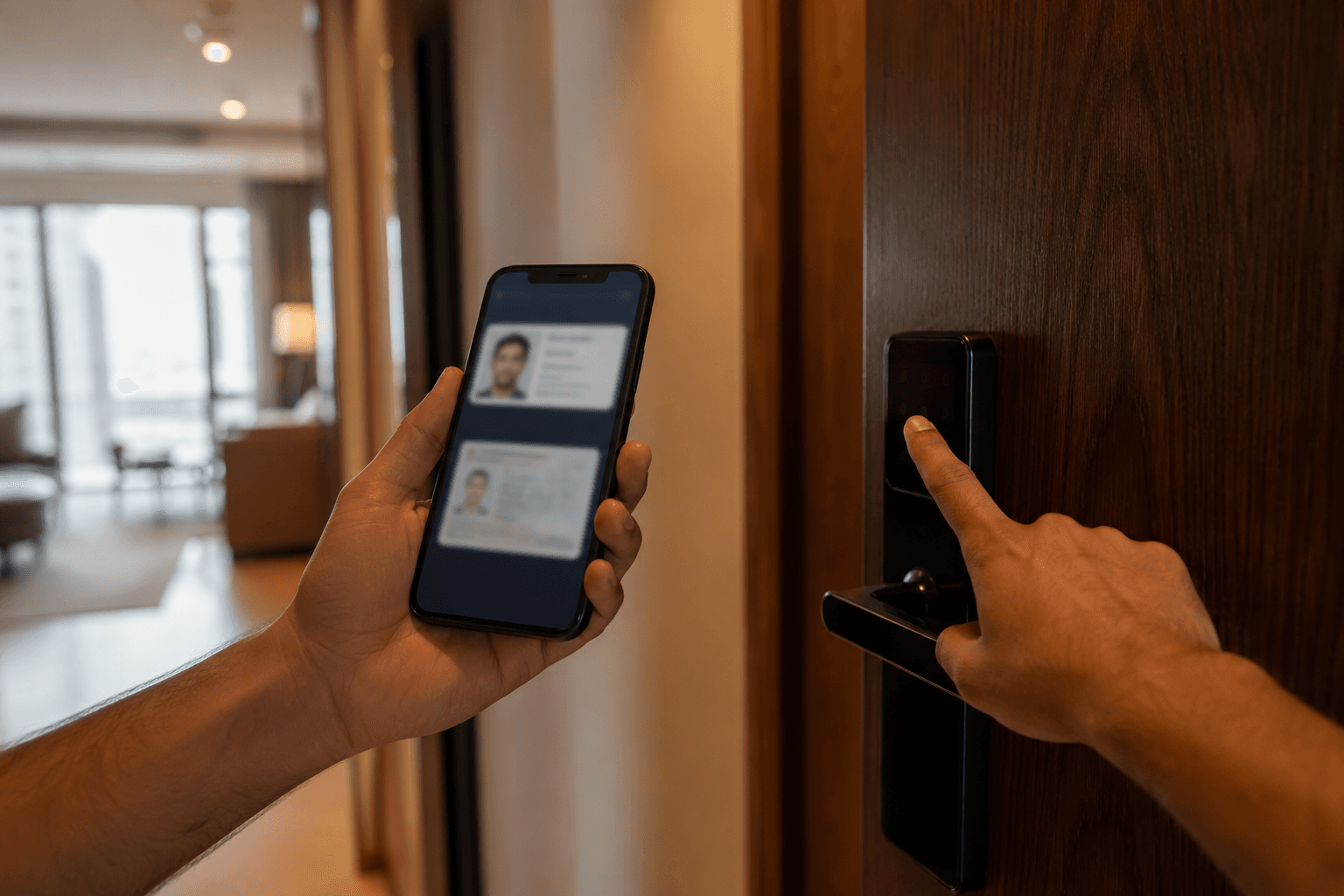
Airbnb runs identity checks in a limited set of markets, and even where it does, the core gap is that it doesn't verify the person booking is actually the person behind the profile — a guest can book with a verified email and a photo that doesn't match their government ID. Hosts layering in independent ID verification, a completed-profile requirement, and a review-history threshold before accepting a booking see meaningfully fewer disputes, simply because riskier bookings are filtered out before they're confirmed rather than dealt with after damage occurs.
What This Looks Like Alongside Reputation Management
Disputed damage claims and guest disputes over reviews often come from the same handful of problem bookings — which is part of why the screening and documentation habits here connect directly to the review and reputation patterns covered in our guest review management guide. A guest who disputes a legitimate damage charge is statistically more likely to also leave a retaliatory review, which is one more reason documentation matters beyond the claim itself.
Booking.com and Direct Bookings Work Differently
AirCover is an Airbnb-specific program — it doesn't extend to Booking.com or direct reservations. Booking.com has its own damage protection mechanisms that differ in process and coverage limits, and direct bookings carry no platform-level protection at all unless you've built deposit collection into your own booking flow. Any host running a genuine multi-channel mix, as covered in our channel mix breakdown, needs to know the protection stack is different on every channel, not a single unified system.
Common Questions on Dubai STR Deposits and Screening
Can I still ask Airbnb guests for a security deposit directly?
Not through a standard listing setup — host-set deposits were phased out in favor of AirCover. Off-platform deposits are only available through API-connected property management software, and must be disclosed in the listing.
What happens if I discover damage after the 14-day window?
The claim is generally no longer eligible through AirCover's standard process. This is the core reason a same-day or next-day post-checkout inspection matters — damage discovered weeks later has effectively no recovery path.
Does guest screening actually reduce disputes, or is it just extra friction?
Hosts who layer in ID verification and review-history minimums generally see fewer chargebacks and disputes, since it filters out a portion of risky bookings before they're ever confirmed — it does add a small step to the booking flow, which is the trade-off.
Is Booking.com's damage protection the same as AirCover?
No — it's a separate mechanism with its own process and limits. Each channel needs to be understood on its own terms rather than assumed to mirror Airbnb's system.
Had a Damage Dispute Go Nowhere?
If you've missed a claim window or had a dispute denied for lack of documentation, it's worth reviewing your turnover process before the next stay — happy to talk through what a solid photo and inspection workflow looks like.